Understanding the Measles Outbreak in North London
North London is currently experiencing a significant surge in measles cases, marking a concerning public health challenge. This measles outbreak in North London serves as a critical reminder of the importance of robust community immunity and vigilance against preventable diseases. Measles, a highly contagious viral infection, can lead to severe complications, especially in vulnerable populations. The recent increase in cases is largely attributed to a sustained drop in the uptake of the MMR (Measles, Mumps, and Rubella) vaccine over the past decade, leaving a significant portion of the community susceptible.
Public health authorities in North London are urging residents to take immediate action to protect themselves and their families. This isn't just about individual health; it's about safeguarding the entire community, particularly infants too young to be vaccinated and individuals with compromised immune systems. Understanding the dynamics of this outbreak is the first step towards containing it. For a comprehensive overview of the situation and immediate steps you can take, please refer to our detailed guide: North London Measles Outbreak: Your Urgent Guide to Safety.
The highly transmissible nature of measles means that a single infected individual can quickly spread the virus to 9 out of 10 unvaccinated people they come into close contact with. The virus spreads through airborne droplets from coughing and sneezing, and can live for up to two hours in the air or on surfaces. This rapid transmission rate underscores why high vaccination rates are essential to achieve 'herd immunity,' which protects those who cannot be vaccinated.
Key Symptoms of Measles: What to Look For
Recognising the symptoms of measles early is crucial for prompt diagnosis, treatment, and preventing further spread. The disease typically progresses in stages, with distinct signs emerging over several days. If you suspect measles, it's vital to act quickly, but remember to contact your GP by phone first before attending any medical facility to avoid potentially infecting others.
Initial Symptoms (Prodromal Phase)
The first signs of measles often appear 10-12 days after exposure to the virus and can be easily mistaken for a common cold or flu. Look out for:
- High Fever: Often the first symptom, the fever can rise rapidly, sometimes reaching as high as 40°C (104°F).
- Cough: A persistent, dry cough is common.
- Runny Nose (Coryza): Similar to a severe cold, with clear nasal discharge.
- Red, Watery Eyes (Conjunctivitis): The eyes may appear inflamed, light-sensitive, and produce watery discharge.
- Koplik's Spots: These are tiny white spots with bluish-white centres on a red background, found inside the mouth on the lining of the cheeks, usually opposite the molars. They typically appear 2-3 days before the rash and are a definitive diagnostic sign of measles. Their transient nature means they might be missed if not actively looked for.
The Measles Rash
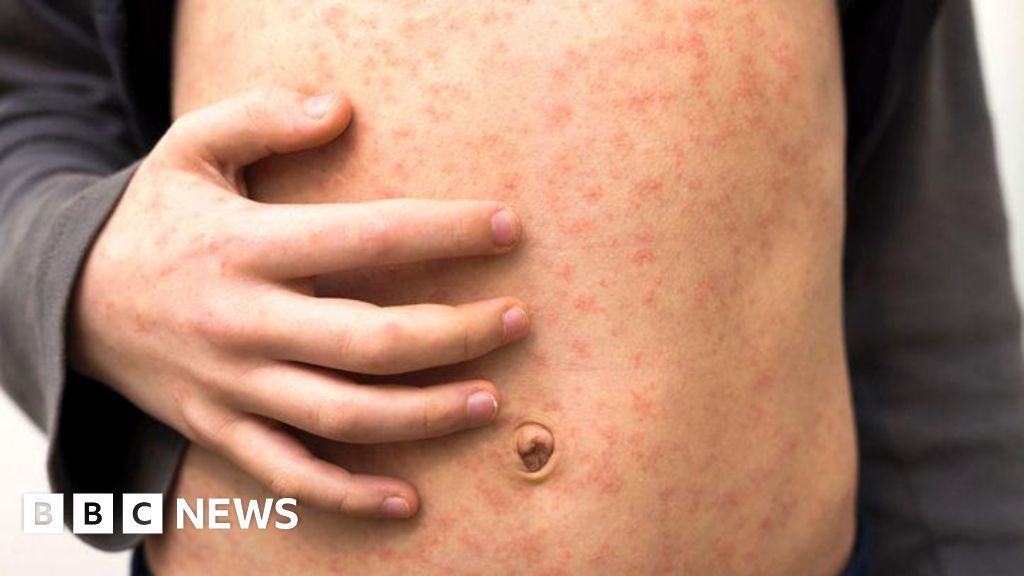
The characteristic measles rash usually appears 3-5 days after the initial symptoms, often as the fever begins to subside slightly. This rash is distinctive:
- Appearance: It starts as small, flat, red spots, which then become slightly raised bumps. The spots may merge together, giving the skin a blotchy appearance.
- Progression: The rash typically begins on the face, behind the ears, and on the hairline. It then spreads downwards over the neck, trunk, arms, and legs.
- Duration: The rash usually lasts for about 5-6 days before fading, leaving behind a brownish discoloration and sometimes fine, flaky skin.
Other less common symptoms can include muscle aches, sore throat, and generalised malaise. It's important to remember that individuals are contagious from four days before the rash appears until four days after it has developed. If you or a family member in North London develops these symptoms, particularly a high fever and rash, isolate immediately and contact your doctor for advice.
Crucial Prevention Tips Amidst the North London Measles Outbreak
Preventing the spread of measles, especially during an active outbreak in North London, requires a multi-pronged approach focusing on vaccination, hygiene, and immediate action if symptoms appear. Your proactive steps are vital for personal and public health.
1. Get Vaccinated with the MMR Vaccine
The single most effective way to prevent measles is through vaccination. The MMR (Measles, Mumps, and Rubella) vaccine is safe and highly effective. Two doses of the MMR vaccine provide approximately 97% protection against measles. If you or your children are not fully vaccinated, now is the time to act.
- For Children: The NHS routinely offers the first dose of the MMR vaccine around 1 year of age and the second dose before children start school, typically at 3 years and 4 months. If your child has missed either of these doses, it's not too late to catch up.
- For Adults: If you're an adult born after 1970 and haven't had measles or two doses of the MMR vaccine, you should consider getting vaccinated. This is especially true if you are a healthcare worker, travel frequently, or are in close contact with young children. Check your vaccination history or consult your GP.
- Addressing Concerns: It's important to rely on credible scientific information regarding vaccine safety. Decades of research have overwhelmingly shown the MMR vaccine to be safe and effective, with no link to autism or other serious long-term conditions. For detailed information on the vaccine's importance, especially now, read our article: MMR Vaccine Crucial Amid North London Measles Outbreak.
2. Practice Good Hygiene
While vaccination is paramount, good hygiene practices can help reduce the transmission of many infectious diseases, including measles, especially if someone is already infected.
- Hand Washing: Wash hands frequently and thoroughly with soap and water for at least 20 seconds, especially after coughing, sneezing, or being in public places.
- Cover Coughs and Sneezes: Use a tissue to cover your mouth and nose when you cough or sneeze, then dispose of the tissue immediately. If no tissue is available, cough or sneeze into your elbow.
- Avoid Touching Face: Try to avoid touching your eyes, nose, and mouth with unwashed hands.
3. Self-Isolate If Infected or Suspected
If you or a family member develops symptoms suggestive of measles:
- Contact Your GP Immediately (by phone): Do not go to your GP surgery, hospital, or walk-in centre without calling first. This is crucial to prevent further spread to other patients and staff. Your doctor will advise on the best course of action and how to get tested safely.
- Isolate at Home: Stay at home and avoid contact with others, especially vulnerable individuals, for at least four days after the rash appears.
- Inform Close Contacts: Public health officials will assist in contact tracing, but it's helpful to consider who you've been in close contact with recently.
4. Stay Informed and Follow Public Health Guidance
Keep abreast of local health alerts and follow the advice issued by NHS and local public health authorities in North London. These organisations provide the most up-to-date and accurate information regarding the outbreak and necessary precautions.
Who is Most At Risk?
Understanding who is most vulnerable during a measles outbreak in North London can help target prevention efforts and protect those at highest risk:
- Unvaccinated Individuals: This includes children and adults who have not received both doses of the MMR vaccine or who have never had measles. This is the largest risk group.
- Infants Too Young for Vaccination: Babies under 6 months old cannot typically receive the MMR vaccine and rely on herd immunity for protection.
- Immunocompromised Individuals: People with weakened immune systems due to illness (e.g., HIV/AIDS) or medical treatments (e.g., chemotherapy) are at higher risk of severe measles and may not be able to receive live vaccines like MMR.
- Pregnant Women: Measles during pregnancy can lead to serious complications for both the mother and the baby, including miscarriage, premature birth, and low birth weight.
These groups highlight the collective responsibility of the community to achieve high vaccination rates, thereby forming a protective shield around everyone.
Conclusion
The measles outbreak in North London is a serious public health concern, but it is one that can be effectively managed with collective action and informed choices. By understanding the key symptoms, knowing when to seek medical advice responsibly, and crucially, ensuring that you and your loved ones are fully vaccinated with the MMR jab, we can curb the spread of this highly contagious disease. Measles is not a benign childhood illness; its potential for severe complications necessitates our vigilance. Let's work together to protect our community, especially the most vulnerable, by prioritising vaccination and adhering to public health guidelines. Your actions today will help secure a healthier tomorrow for everyone in North London.