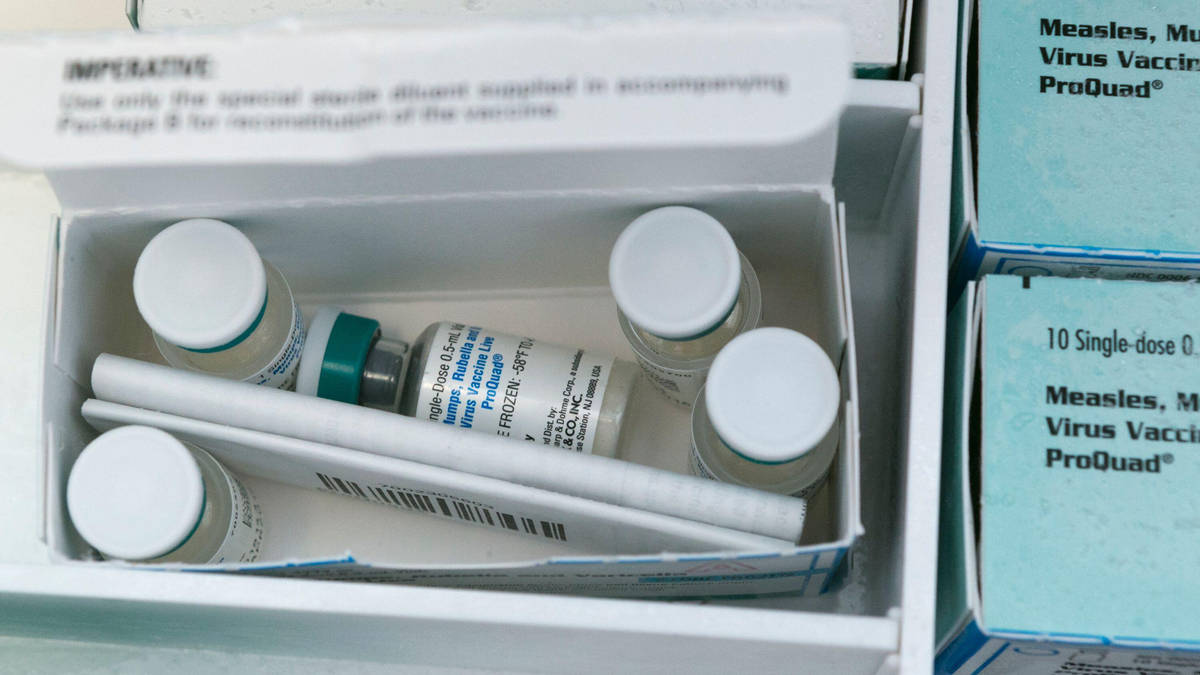
North London is currently grappling with a significant Measles Outbreak North London, prompting urgent calls from public health officials for residents to ensure their Measles, Mumps, and Rubella (MMR) vaccinations are up to date. This highly contagious disease, once nearly eradicated in the UK, is making a concerning comeback, posing a serious threat to unvaccinated individuals, particularly young children and those with compromised immune systems. The MMR vaccine remains the most effective and safest defence against this potentially devastating illness, and its uptake is more crucial than ever to protect our communities.
The Alarming Rise of Measles in North London
Measles is not just a childhood rash; it's a severe viral infection that can lead to life-threatening complications. In recent months, areas across North London have seen a worrying surge in confirmed measles cases, reflecting a national trend of declining MMR vaccination rates. This Measles Outbreak North London is a stark reminder of how quickly preventable diseases can resurface when community immunity drops below critical levels.
Public health experts attribute the resurgence to several factors, including misinformation surrounding vaccine safety, disruptions to routine immunisation schedules, and complacency due to the disease's previous rarity. The highly infectious nature of measles means that a single infected person can easily spread the virus to 9 out of 10 unvaccinated people they come into close contact with. Symptoms typically include a high fever, cough, runny nose, red and watery eyes, and a characteristic red-brown blotchy rash that appears a few days later.
While often mild in some, measles can cause severe complications such as pneumonia, encephalitis (inflammation of the brain), ear infections leading to permanent hearing loss, and even death. Babies and young children, pregnant women, and individuals with weakened immune systems are particularly vulnerable to these serious outcomes. The current outbreak underscores the urgency of collective action to prevent further spread and protect the most fragile members of our society.
Why the MMR Vaccine is Your Best Defence
The MMR vaccine is a cornerstone of public health, offering robust protection against three distinct viral diseases: measles, mumps, and rubella. It is a safe and highly effective vaccine, administered as two doses to provide comprehensive, long-lasting immunity. For anyone concerned about the escalating Measles Outbreak North London, understanding the power of the MMR vaccine is paramount.
How the MMR Vaccine Works
The MMR vaccine contains weakened live versions of the measles, mumps, and rubella viruses. When administered, these attenuated viruses stimulate the body's immune system to produce antibodies without causing the actual diseases. This means that if an vaccinated individual later comes into contact with the real viruses, their immune system is already primed to fight them off, preventing infection and illness.
Efficacy and Safety
- Measles Protection: After two doses, the MMR vaccine is approximately 97% effective at preventing measles. Even a single dose provides around 93% protection.
- Mumps Protection: Two doses are about 88% effective against mumps.
- Rubella Protection: Two doses offer around 97% protection against rubella.
The MMR vaccine has been in use for decades, with billions of doses administered worldwide. Extensive scientific research and rigorous safety monitoring have consistently confirmed its safety profile. Any side effects are usually mild and temporary, such as soreness at the injection site, a mild fever, or a faint rash, indicating the body's immune response. The widely debunked claim linking MMR to autism has been thoroughly disproven by numerous large-scale studies globally.
Achieving high vaccination rates, often referred to as 'herd immunity,' is critical. When a large percentage of the population is vaccinated, it creates a protective barrier that makes it difficult for infectious diseases like measles to spread, thereby shielding those who cannot be vaccinated (e.g., infants too young for the vaccine or individuals with certain medical conditions).
Who Needs the MMR Vaccine? A Crucial Check for North London Residents
In light of the Measles Outbreak North London, it's essential for everyone to verify their vaccination status. The standard NHS vaccination schedule recommends two doses of the MMR vaccine for optimal protection. However, many individuals may have missed doses or simply be unsure of their past immunisation history.
Recommended Vaccination Schedule:
- First Dose: Around 12-13 months of age.
- Second Dose: Around 3 years and 4 months, before starting school.
Catch-Up Vaccinations for Older Children, Teens, and Adults:
If you or your child missed one or both doses of the MMR vaccine, it's not too late to catch up. The vaccine is readily available and highly recommended for:
- School-aged children and teenagers: Many may have missed their second dose, or even their first, if their vaccination schedule was disrupted.
- Young adults: Particularly those born after 1970, who may not have received two doses or any doses at all. If you are unsure, it's safer to get vaccinated again. There is no harm in having extra doses.
- Healthcare workers: Due to their exposure to infectious diseases, it's vital for them to be protected.
- Students: Especially those in crowded living environments like university dorms.
- Anyone planning international travel: Measles remains prevalent in many parts of the world.
How to Check Your Vaccination Status:
The best way to confirm your MMR vaccination status is to:
- Check your child's red book (Personal Child Health Record).
- Contact your GP surgery, who can access your medical records.
- For adults, if you have no record and cannot recall receiving two doses, it's advisable to get vaccinated.
It's important to note that the MMR vaccine is not recommended for pregnant women or those with severely weakened immune systems. If you fall into these categories, or have any other concerns about your eligibility, please speak to your GP or a healthcare professional.
Getting Your MMR Vaccine in North London
Accessing the MMR vaccine in North London is straightforward and crucial for public health. The vaccine is free on the NHS for all eligible individuals. Don't delay in protecting yourself and your family.
Steps to get vaccinated:
- Contact your GP: Your General Practice surgery is the primary point of contact for MMR vaccination. They can check your records and arrange an appointment for you or your child.
- NHS Website: Visit the official NHS website for up-to-date information on local vaccination clinics or walk-in services that might be available in your North London borough.
- School Immunisation Programmes: For older children, some schools may run vaccination programmes, particularly during an outbreak. Check with your child's school for details.
Taking prompt action ensures you are protected and contribute to strengthening community immunity against the current Measles Outbreak North London.
Beyond Vaccination: Recognising Symptoms and Preventing Spread
While vaccination is the most powerful tool against measles, understanding how to recognise symptoms and prevent further transmission is equally vital during an outbreak. Even vaccinated individuals can occasionally get a modified form of measles, though it's usually much milder.
Key Symptoms to Watch For:
The initial symptoms of measles can often be mistaken for a common cold, but they typically include:
- High fever (often over 38°C)
- Cough
- Runny nose
- Red, sore eyes (conjunctivitis)
- Small white spots with bluish-white centres on the inside of the cheeks (Koplik's spots), which appear a few days before the rash.
- A red-brown blotchy rash, which usually starts on the face and behind the ears, then spreads to the rest of the body.
For a more detailed breakdown of these signs and further prevention tips, please consult our article: Measles Outbreak North London: Key Symptoms and Prevention Tips.
What to Do If You Suspect Measles:
If you or your child develop symptoms that could be measles:
- Do NOT go directly to your GP surgery, urgent care centre, or A&E. You risk spreading the infection to vulnerable individuals in waiting rooms.
- Call your GP or NHS 111 immediately. They will advise you on the next steps, which may include arranging a home visit or directing you to a specific clinic designed to prevent further transmission.
- Isolate yourself/your child. Avoid contact with others, especially babies, pregnant women, and those with weakened immune systems. Measles is contagious from around four days before the rash appears until four days after it has gone.
Practising good hand hygiene, covering coughs and sneezes, and cleaning frequently touched surfaces can also help limit the spread of respiratory viruses, though measles is primarily airborne.
The Measles Outbreak North London serves as a critical wake-up call for our communities. The MMR vaccine offers robust, proven protection against a potentially severe illness. By ensuring your and your family's vaccination status is up to date, you're not just protecting yourselves; you're actively contributing to the health and safety of North London. Don't let complacency or misinformation put lives at risk. Contact your GP today to get vaccinated and help us halt the spread of measles for good.