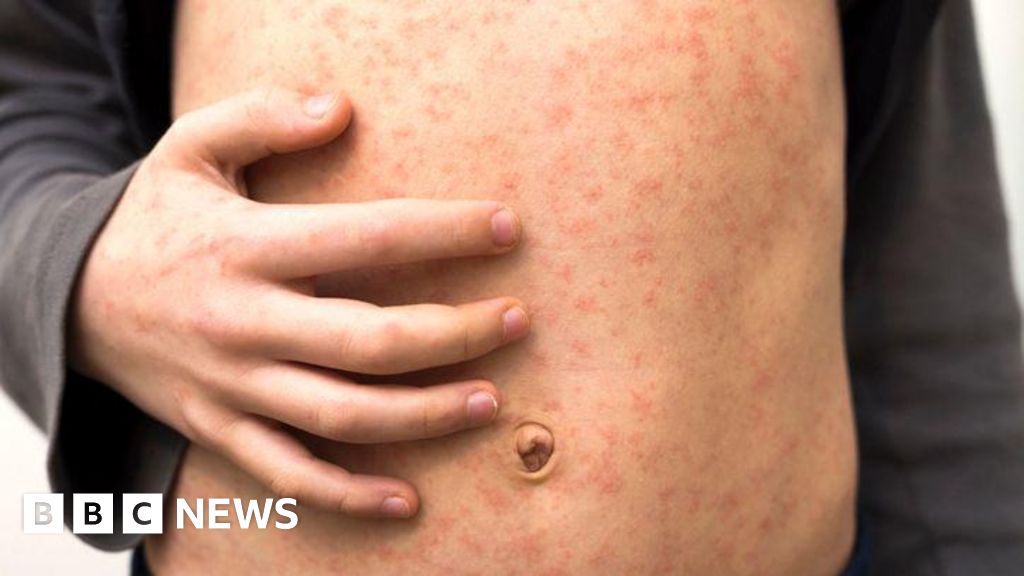
A significant health alert has been issued for the capital, as a concerning measles outbreak grips North London. Public health officials are urging residents to take immediate action to protect themselves and their communities against this highly infectious, and potentially dangerous, disease. With cases on the rise across boroughs, understanding the risks, recognising symptoms, and knowing how to prevent further spread is more critical than ever. This guide provides essential information to help you navigate the current situation, ensuring the safety of your family and neighbourhood amidst the Measles Outbreak North London.
The Escalating Measles Outbreak in North London: What You Need to Know
The current Measles Outbreak North London is not just a localised issue; it's a stark reminder of the disease's enduring threat, particularly in areas with lower vaccination rates. Measles, caused by a virus, is one of the most contagious diseases known. It spreads easily through the air when an infected person coughs or sneezes. Alarmingly, the virus can remain active and contagious in the air or on surfaces for up to two hours after an infected person has left the area.
Health authorities have reported a significant uptick in confirmed cases across several North London boroughs, impacting individuals of all ages, though unvaccinated children and young adults remain particularly vulnerable. This surge is primarily attributed to a decline in uptake of the Measles, Mumps, and Rubella (MMR) vaccine over recent years, creating pockets of susceptibility where the virus can spread rapidly. The gravity of this situation cannot be overstated; measles is not merely a childhood rash. It can lead to serious complications such as pneumonia, encephalitis (inflammation of the brain), blindness, and even death. The urgency of addressing this Measles Outbreak North London cannot be overstressed.
Understanding Measles: A Highly Contagious Threat
Measles is a viral infection that primarily affects the respiratory system, but its impact is systemic. The initial symptoms are often mistaken for a common cold, making early containment challenging. Its infectivity is astonishing: a single person with measles can infect 9 out of 10 unvaccinated people they come into close contact with. This high transmission rate makes swift public health responses and robust immunity levels crucial for preventing widespread outbreaks.
The virus replicates in the nose and throat of an infected person. When they cough, sneeze, or talk, tiny droplets containing the virus are released into the air. These droplets can be inhaled by others or settle on surfaces, where the virus can survive. The incubation period (time from exposure to symptom onset) is typically 10-12 days, but can range from 7 to 21 days. During the final 4 days of the incubation period and for 4 days after the rash appears, an infected individual is contagious, posing a significant risk to others.
Who is Most at Risk During the North London Measles Outbreak?
- Unvaccinated Individuals: This is the primary risk group. Anyone who hasn't received two doses of the MMR vaccine is susceptible.
- Infants Under 12 Months: They are too young to receive their first MMR dose and rely on herd immunity for protection.
- Immunocompromised Individuals: Those with weakened immune systems due to illness or medication are at higher risk of severe complications.
- Pregnant Women: Measles during pregnancy can lead to miscarriage, premature birth, or low birth weight.
- Individuals Who Travel: People travelling to or from areas with active outbreaks (both domestically and internationally) increase their risk of exposure and transmission.
Recognising the Warning Signs and Taking Immediate Steps
Early identification of measles symptoms is vital, not just for prompt treatment but also for preventing further transmission during this critical North London Measles Outbreak. Knowing what to look for can protect your loved ones and the wider community. It's crucial to remember that symptoms often appear in stages, starting with flu-like signs before the characteristic rash develops.
For a comprehensive overview of symptoms and detailed prevention strategies, please refer to our dedicated article: Measles Outbreak North London: Key Symptoms and Prevention Tips.
Don't Miss These Key Measles Symptoms
Measles symptoms typically appear in two phases:
Early Symptoms (Prodromal Phase - 2-4 days):
- High Fever: Often the first sign, can reach up to 40°C (104°F).
- Cough: A persistent, dry cough.
- Runny Nose: Similar to a common cold.
- Sore Throat: Discomfort when swallowing.
- Red, Watery Eyes (Conjunctivitis): Eyes may appear bloodshot and be sensitive to light.
- Koplik's Spots: Small, white spots with bluish-white centres on a red background, found inside the mouth on the inner lining of the cheek. These typically appear 1-2 days before the rash and are diagnostic of measles.
Rash Phase (3-7 days after early symptoms):
- Red-Brown Rash: Appears first on the face and behind the ears, then spreads down to the chest, back, stomach, arms, and legs.
- Blotchy Appearance: The rash consists of large, flat blotches that often merge. It may be slightly raised.
- Itchiness: The rash can be itchy for some individuals.
The rash typically lasts for about 5 to 6 days and then fades, leaving behind a brownish discolouration as it disappears.
What to Do If You Suspect Measles
If you or someone in your household develops symptoms that could be measles, it is imperative to act quickly and responsibly:
- Do NOT Go to Your GP Surgery, A&E, or Walk-in Centre: Calling ahead is crucial. Attending these facilities without warning could expose vulnerable patients and staff to the virus.
- Contact Your GP or NHS 111 Immediately: Phone your general practitioner or call NHS 111 for advice. Explain your symptoms and mention your suspicion of measles. They will guide you on the next steps, which may include home isolation or arranging a safe assessment.
- Isolate Yourself/The Suspect Case: Stay at home and avoid contact with others to prevent further spread. This means no school, nursery, work, or public transport.
- Follow Medical Advice: Adhere strictly to the instructions given by healthcare professionals regarding testing, treatment, and isolation periods.
- Inform Close Contacts: If diagnosed, public health officials will help trace close contacts, but it's helpful to think about who you might have been in contact with recently.
Vaccination: The Unquestionable Shield Against Measles
In the face of the ongoing Measles Outbreak North London, vaccination stands as our most powerful and proven defence. The Measles, Mumps, and Rubella (MMR) vaccine is a safe and highly effective way to protect against these three serious diseases. It’s not just about individual protection; it's about building herd immunity to safeguard the entire community, especially those who cannot be vaccinated due to age or medical conditions.
For more detailed information on the vaccine's importance and addressing common concerns, please read our article: MMR Vaccine Crucial Amid North London Measles Outbreak.
The MMR Vaccine: A Proven Lifesaver
The MMR vaccine provides robust, long-lasting immunity. It works by introducing a weakened form of the viruses, allowing your immune system to develop antibodies without causing the full-blown disease. Two doses of the MMR vaccine are needed for maximum protection:
- The first dose is typically given around 12-13 months of age.
- The second dose is usually given at 3 years and 4 months, before a child starts school.
Receiving both doses provides about 97% protection against measles. If you or your children have missed these doses, it's never too late to catch up. Contact your GP practice to schedule an appointment. Even if you're an adult unsure of your vaccination status, your GP can advise on whether you need the MMR vaccine.
Herd immunity occurs when a large enough proportion of the population is immune to a disease, making its spread unlikely. This protects vulnerable individuals, like infants and those with compromised immune systems, who cannot be vaccinated themselves. When vaccination rates drop, as seen in some parts of North London, herd immunity weakens, allowing highly contagious diseases like measles to resurface with alarming speed.
Addressing Vaccine Misinformation and Hesitancy
Despite overwhelming scientific evidence supporting the MMR vaccine's safety and efficacy, misinformation continues to fuel vaccine hesitancy. It's vital to rely on trusted sources for health information:
- NHS Website: Provides comprehensive and accurate information on vaccines.
- Your GP or Practice Nurse: They can answer specific questions and address any concerns you may have based on your medical history.
- Public Health England (PHE): Offers expert guidance and resources on infectious diseases and vaccination programs.
The link between the MMR vaccine and autism has been extensively studied and definitively disproven by numerous large-scale scientific investigations worldwide. The original study making this claim was retracted due to fraudulent data. Trust in science and evidence-based medicine is crucial to stopping the Measles Outbreak North London.
Practical Steps for Protecting Your Family and Community
While vaccination is the cornerstone of measles prevention, there are additional practical steps everyone can take to minimise the risk of transmission during the North London Measles Outbreak. These measures complement vaccination efforts and contribute to a safer environment for all.
General Hygiene and Prevention Tips
- Practise Good Hand Hygiene: Wash your hands frequently with soap and water for at least 20 seconds, especially after coughing, sneezing, or being in public places.
- Use Hand Sanitiser: If soap and water are not available, use an alcohol-based hand sanitiser with at least 60% alcohol.
- Cover Coughs and Sneezes: Use a tissue to cover your mouth and nose when you cough or sneeze, then dispose of the tissue immediately. If you don't have a tissue, cough or sneeze into your elbow.
- Avoid Touching Your Face: Try not to touch your eyes, nose, and mouth with unwashed hands.
- Stay Home When Sick: If you feel unwell, even with mild symptoms, avoid going to work, school, or public gatherings. This prevents the potential spread of any illness, including measles.
- Clean and Disinfect Surfaces: Regularly clean and disinfect frequently touched surfaces in your home, school, and workplace.
- Consider Face Coverings: In crowded indoor settings, wearing a face covering can provide an additional layer of protection, particularly if you are unvaccinated or vulnerable.
Protecting Vulnerable Groups
Specific attention must be paid to protecting those most vulnerable to measles, who cannot always rely on vaccination themselves:
- Infants and Young Children: Ensure they receive their MMR vaccinations on schedule. Minimise their exposure to crowded public places if there's an active outbreak and they are not yet fully vaccinated.
- Pregnant Women: If you are pregnant and unsure of your immunity, speak to your GP or midwife. Avoid contact with anyone suspected of having measles.
- Immunocompromised Individuals: Those undergoing chemotherapy, on certain medications, or with specific medical conditions should exercise extreme caution and discuss specific protective measures with their healthcare provider.
By collectively adhering to these prevention strategies, we can slow the spread of the virus and provide a vital layer of protection for the entire North London community.
Conclusion
The Measles Outbreak North London is a serious public health challenge that demands our immediate attention and collective action. Measles is a preventable disease, and its resurgence in our community is a stark reminder of the importance of vaccination. By understanding the risks, recognising the symptoms, and most importantly, ensuring you and your family are up to date with your MMR vaccinations, you play a crucial role in safeguarding the health of North London. Don't delay—check your vaccination status today, consult your GP if you have any concerns, and help us build a resilient, measles-free future for our community. Your proactive steps now will make all the difference in containing this outbreak and protecting the most vulnerable among us.